
SPATIAL INTELLIGENCE.
Built on Permanent Magnets.
The physical world has always been harder for machines to navigate than the digital one. The reason is not intelligence. Machines lack proprioception, the subconscious sense of where the body is without looking. Humans combine perception, movement, and feedback to know where they are, and it underpins everything from crossing a room to performing surgery. Machines have never had that foundation.
Ommo built that foundation on a different physical principle: permanent magnets. Instead of energized coils, our platform uses the magnetic fields of permanent magnets and solves position and orientation from that field in absolute terms.
No line-of-sight. Tracking continues through occlusion and contact.
No drift. Tracking is absolute, so there is no drift and no recalibration.
Permanent magnets, not coils. There is no actively driven field. Conductive metals affect us far less than they affect conventional electromagnetic trackers, and ferromagnetic distortion can be detected and compensated algorithmically.
We proved it in the operating room, where tracking has to be right. The same platform now underpins both medical navigation and the next generation of physically intelligent machines.
We believe spatial intelligence will become a foundational layer for the physical world, giving humans and machines a shared understanding of space, movement, and interaction. Ommo is building the platform that makes it possible.

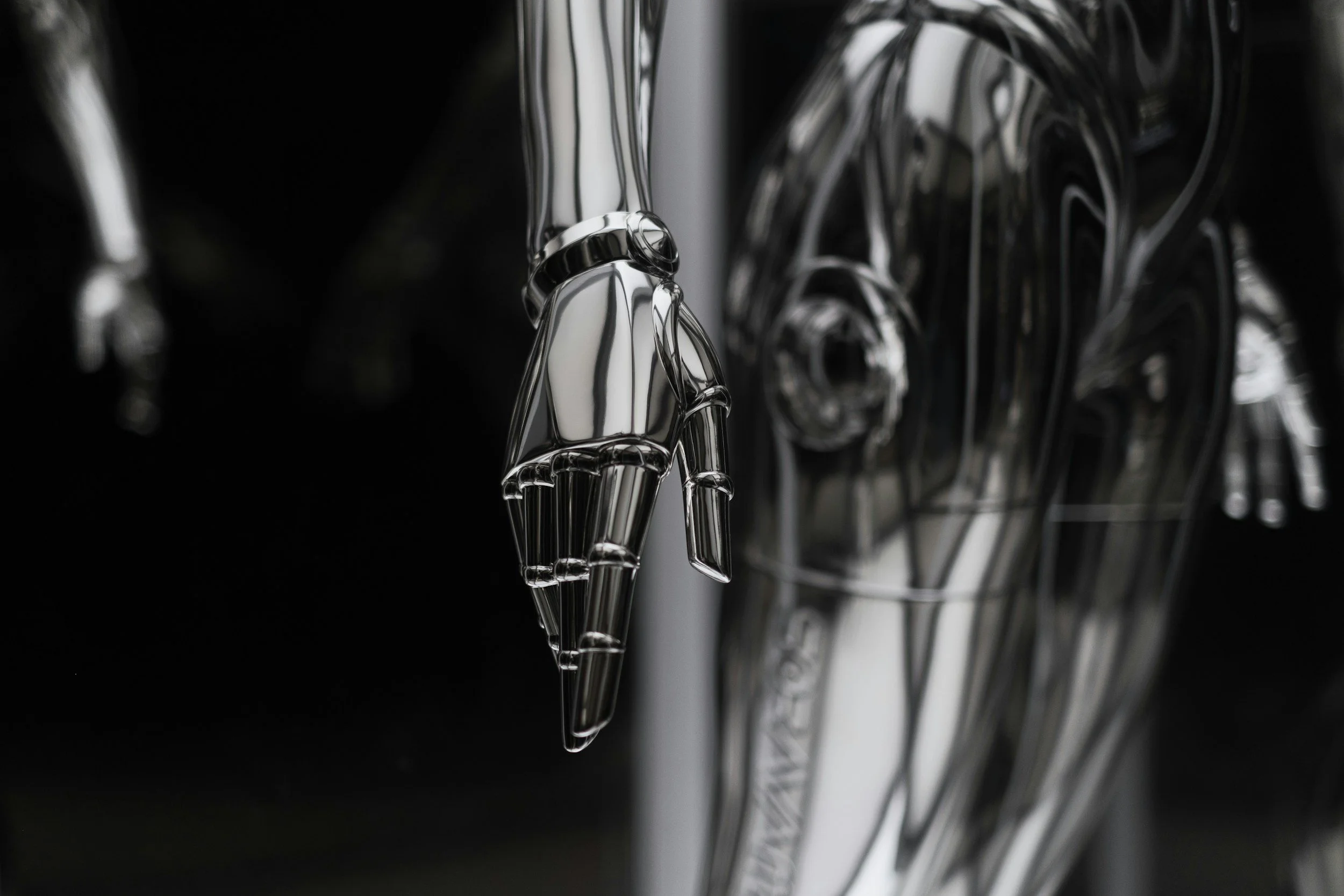
ROBOTICS & PHYSICAL AI.
A physical state layer for the real-to-sim-to-real loop.
Physical AI learns from the real world, trains in simulation, and is judged back in the real world. Every handoff loses information when the measurements are estimated instead of known. A model trained on estimated data does not know it is wrong. It fails confidently.
Ommo removes the estimate. Magnetic tracking, IMU, vision, and tactile sensing all share one spatiotemporal reference, anchored by our absolute 6DoF ground truth. That shared reference serves every stage, and it is what closes the loop.
Real-to-sim: Capture what actually happened
Gloves and wearables record human hand and body motion with true positions, including the moment of grasp, when cameras lose sight. Every other sensor stream lands in the same reference, so a demonstration is one coherent record instead of separate feeds to reconcile.Sim: Ground the model in measurement
Real trajectories calibrate contact and friction parameters, anchor digital twins, and seed synthetic data. Because the data shares one reference, simulation inherits real physics instead of its own assumptions.Sim-to-real: Verify that it transfers
Compare what simulation predicted with what was physically measured, in the same coordinates and on the same clock. Deviations in position, orientation, and contact are measured, not assumed, so the gap is visible and the loop can close.
One reference. Every stage of the loop.
MEDICAL & SURGICAL.
Every procedure, guided by certainty.
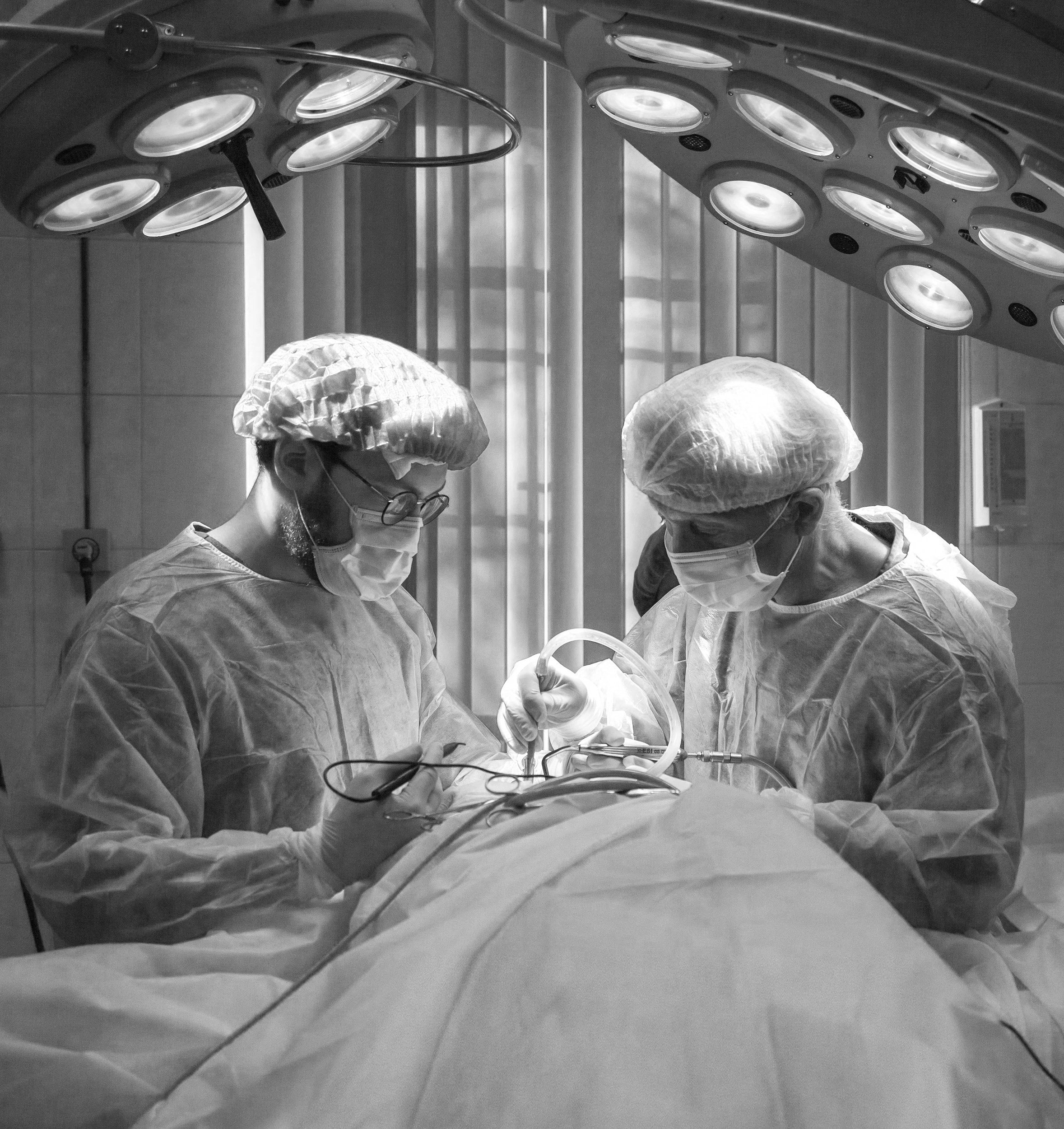
For the past ten years, Ommo has been working on one problem: giving medicine an exact sense of where things are. Where the instrument is. Where the implant is. Where the anatomy is, and how all three move together.
It began in the operating room, and it keeps widening. From the skull to the spine, from the heart to the jaw, from the first incision to the last rehabilitation session, the same tiny sensors follow whatever matters, wherever it goes.
Leading medical device companies already build with us. And together, we are building the spatial foundation for modern medicine, where every instrument, implant, and image shares one understanding of the body.
The future of healthcare will not simply be more connected. It will be spatially aware.

Build with Ommo
→

Join the Team